
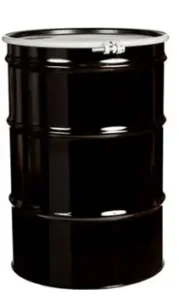
The 55-gallon drum has long been an industry staple, as it helps store, transport or dispose of materials safely. From manufacturing plants to environmental waste management operations, these containers are built for durability and reliability. However, like any piece of equipment that faces tough conditions, a drum doesn’t last forever. Understanding how long a drum typically lasts, and recognizing the warning signs of wear can help you prevent leaks, maintain compliance, and avoid costly problems down the line.
The Typical Lifespan of a 55-Gallon Drum
The lifespan of a drum depends on several factors: the material of the drum, what it’s storing, and the conditions it’s exposed to. In general:
- Steel drums can last many years when properly maintained and used in controlled environments.
- Plastic drums may last just as long when storing compatible materials, but they can degrade faster in direct sunlight or extreme temperatures.
In ideal conditions, such as indoors, with compatible materials, a drum may remain usable for 5–10 years or more. However, when used for hazardous waste or harsh chemicals, drums may need to be replaced much sooner to maintain safety and regulatory compliance.
Facilities that regularly handle regulated materials often rotate drums more frequently to ensure they remain in top condition. This is especially important when shipping or storing hazardous substances where container integrity is critical.
Environmental Factors That Affect Drum Longevity
Even the toughest containers can wear down faster depending on their environment. Some common factors that shorten a drum’s life include:
- Chemical corrosion from incompatible contents
- Outdoor storage with constant UV exposure
- Temperature fluctuations causing expansion and contraction
- Frequent handling or transportation leading to dents or structural stress
- Moisture exposure that can accelerate rust on steel drums
For operations that require extra protection, such as spill containment or damaged drum recovery, solutions like salvage / overpacks can extend safety while preventing environmental issues.
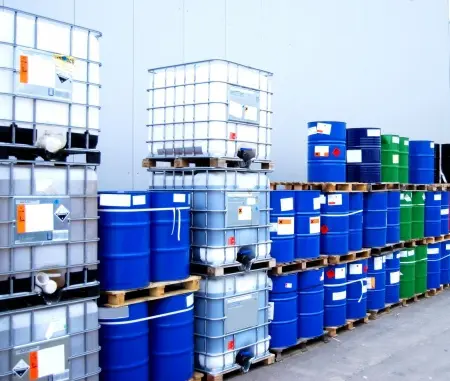
Warehousing practices also matter. Storing drums on pallets, rotating stock, and conducting routine inspections can significantly extend their useful life.
Warning Signs It’s Time for a New Drum
Even if a drum appears functional, subtle warning signs may indicate it’s time for a replacement. Ignoring these signals can lead to leaks, contamination, or safety violations.
Watch for:
- Rust or corrosion, especially around seams or bungs
- Bulging or warping caused by internal pressure
- Cracks in plastic drums or brittle surfaces
- Loose or damaged lids and rings
- Persistent odors or residue from previous contents
If a drum shows any of these signs, it’s usually safer and often required by regulation to replace it rather than risk failure.
Businesses that handle hazardous materials rely on dependable container solutions to keep operations running safely and smoothly. Container Distributors specializes in keeping facilities stocked with the containers they need, shipped quickly and ready for use. If you need help finding the right open head drum for your facility, contact us.
Leave a Reply